
Wine Pairings for an Italian Evening in Sayulita
A memorable bottle does more than match a dish. It slows the table down, brings another dimension to the food, and gives the evening its own rhythm. The best wine pairings are not built on rigid rules or an intimidating list of grapes. They begin with what is on the plate, who is at the table, and the kind of night you want to have in Sayulita.
Italian food offers an especially generous place to start. Handmade pasta, wood-fired pizza, and live-fire steaks have distinct textures, sauces, and levels of richness, yet they share an appetite for wines with freshness, character, and enough structure to stay present through the final course. The goal is not perfection. It is a bottle that makes each bite feel more complete.
Wine Pairings Begin With the Plate
Before choosing red or white, consider the dominant element of the dish. Is it bright tomato, silky butter, savory mushrooms, charred crust, delicate seafood, or a deeply seared steak? Sauce and preparation usually matter more than the protein alone.
Acidity is often the quiet force behind a successful pairing. A wine with lively acidity can cut through cheese, refresh the palate after olive oil or cream, and meet the natural brightness of tomato without tasting flat. Tannin, the drying sensation found most clearly in red wine, has its place too. It is especially compelling with steak and other dishes that carry fat, smoke, and a strong savory edge.
Body matters, but it need not become a restriction. A lighter red can be more rewarding than a powerful one beside a nuanced pasta, while a textured white can hold its own with a rich dish that might seem destined for red. Match the weight of the wine to the weight of the food, then leave room for appetite, weather, and personal taste.
Wine Pairings for Handmade Pasta
Handmade pasta invites attention because its texture is part of the experience. A wine should complement that care rather than cover it. With tomato-based sauces, look to reds that are energetic rather than heavy. Chianti and other Sangiovese-led wines are natural companions: their cherry fruit, savory notes, and brisk acidity meet tomato with ease. They also work beautifully when the dish includes herbs, aged cheese, or a slow-cooked ragù.
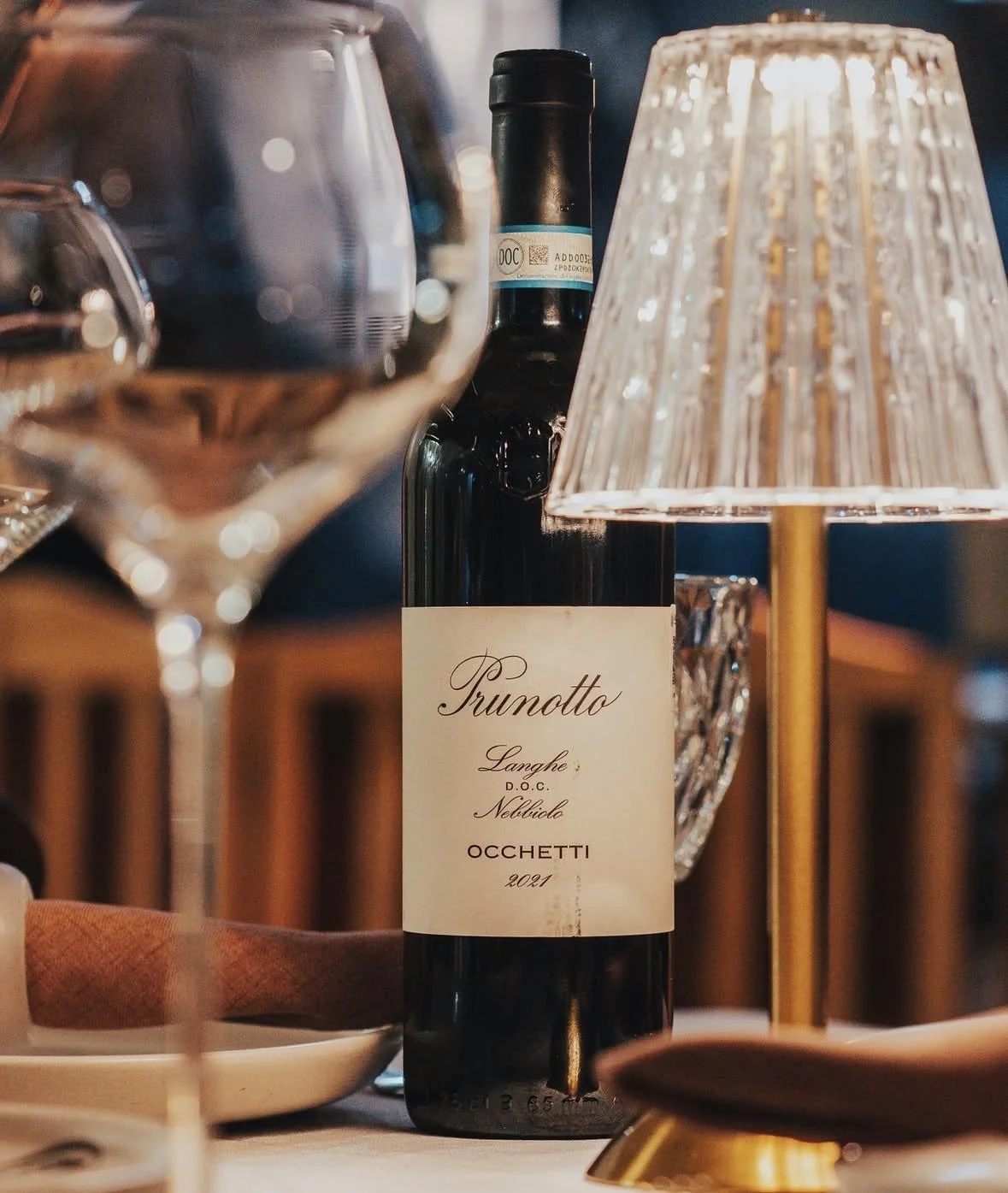
For pasta with mushrooms, truffle, or a more earthy sauce, a medium-bodied red with gentle tannin can bring out the dish's depth. Pinot Noir is a graceful option, particularly when the preparation is refined and not overly rich. Nebbiolo offers more structure and perfume, making it a fine choice when the table is ready to linger over layered, savory flavors.
Creamy pasta calls for contrast. A crisp Italian white such as Pinot Grigio can clear the palate, while a fuller white with mineral character can echo the dish's silkier side. If the pasta is finished with shellfish, lemon, or fresh herbs, white wine becomes the natural direction. Think brightness, salinity, and clean fruit rather than overt oak.
There are no penalties for ordering a white wine with pasta that contains meat, especially in Sayulita's warm evenings. A chilled, aromatic white can be exactly right when the mood is light, the conversation is flowing, and the table is sharing several dishes.
Pizza Deserves a Flexible Bottle
Pizza is one of the most forgiving and enjoyable foods to pair with wine. Its foundation of blistered dough, tomato, olive oil, and melted cheese can welcome a broad range of styles. A classic red with bright acidity remains a dependable choice, particularly for pizzas with tomato, sausage, pepperoni, or roasted vegetables.
Yet pizza also makes a strong case for white and sparkling wine. A dry sparkling bottle brings lift to rich cheese and crispy crust, while its bubbles reset the palate between bites. A mineral-driven white can be exceptional with pizzas built around fresh herbs, lighter cheeses, seafood, or vegetables.
When ordering for the table, do not attempt to find one flawless match for every topping. Choose a versatile wine with freshness and moderate weight. It will move comfortably from the first slice to the last, and no one will need to treat dinner like an exam.
Live-Fire Steaks Call for Structure
A live-fire steak carries char, smoke, mineral richness, and rendered fat. This is where a structured red wine feels especially at home. Cabernet Sauvignon offers dark fruit and firm tannin that can stand up to a richly seared cut. Syrah brings pepper, smoke, and a darker savory profile that mirrors the fire without becoming overly severe.
For diners who prefer elegance over power, a balanced Sangiovese or a mature, medium-bodied red can be equally persuasive. The steak's preparation matters. A peppery sauce, herb finish, or aged cheese accompaniment may favor a wine with brighter acidity and less extraction than a dense, heavily oaked red.
Temperature deserves attention here. Red wine served too warm can lose its precision, particularly in a coastal climate. A slight chill gives many reds more energy, makes tannin feel smoother, and keeps the wine refreshing beside a warm plate. It is a small detail with a meaningful effect.
Choosing One Bottle for the Table
A shared bottle should suit the meal, but it should also suit the group. If the table is ordering pasta, pizza, and steak together, choose the middle ground: a red with fresh acidity, moderate tannin, and enough fruit to feel generous. Sangiovese is often an intelligent answer, as are certain lighter-bodied blends and elegant Pinot Noir.
If the group begins with lighter dishes and plans to move toward richer courses, starting with a bright white or sparkling wine can create a pleasing progression. A red can follow with the main course. For a date night, this sequence adds a sense of occasion without feeling formal for formality's sake.
The most useful question is simple: what will you enjoy drinking for more than one glass? A technically precise pairing is less satisfying if the bottle does not appeal to the people sharing it. Good service can guide the details, but your own preference remains the most valuable part of the decision.
A More Relaxed Way to Order Wine
Wine should create confidence, not pressure. Begin by naming the dishes you are considering, then mention whether you prefer something lighter and fresher or fuller and more structured. That is enough information to begin a thoughtful recommendation.
At Casa Lvnae & Lo Zingaro, imported winesare selected to complement the kitchen's handmade pastas, pizzas, and live-fire dishes while still leaving space for discovery. Let the bottle match the occasion as much as the menu. A celebratory dinner may call for sparkling wine, a late table for a soulful red, or a bright white that suits a warm Sayulita night.
Carpe Diem is not an instruction to over-order. It is an invitation to be present for the glass being poured, the dish arriving at the table, and the people across from you. Choose a wine with intention, take your time with it, and let the evening become more than dinner.