

Imported Wine Restaurant Sayulita for Special Nights
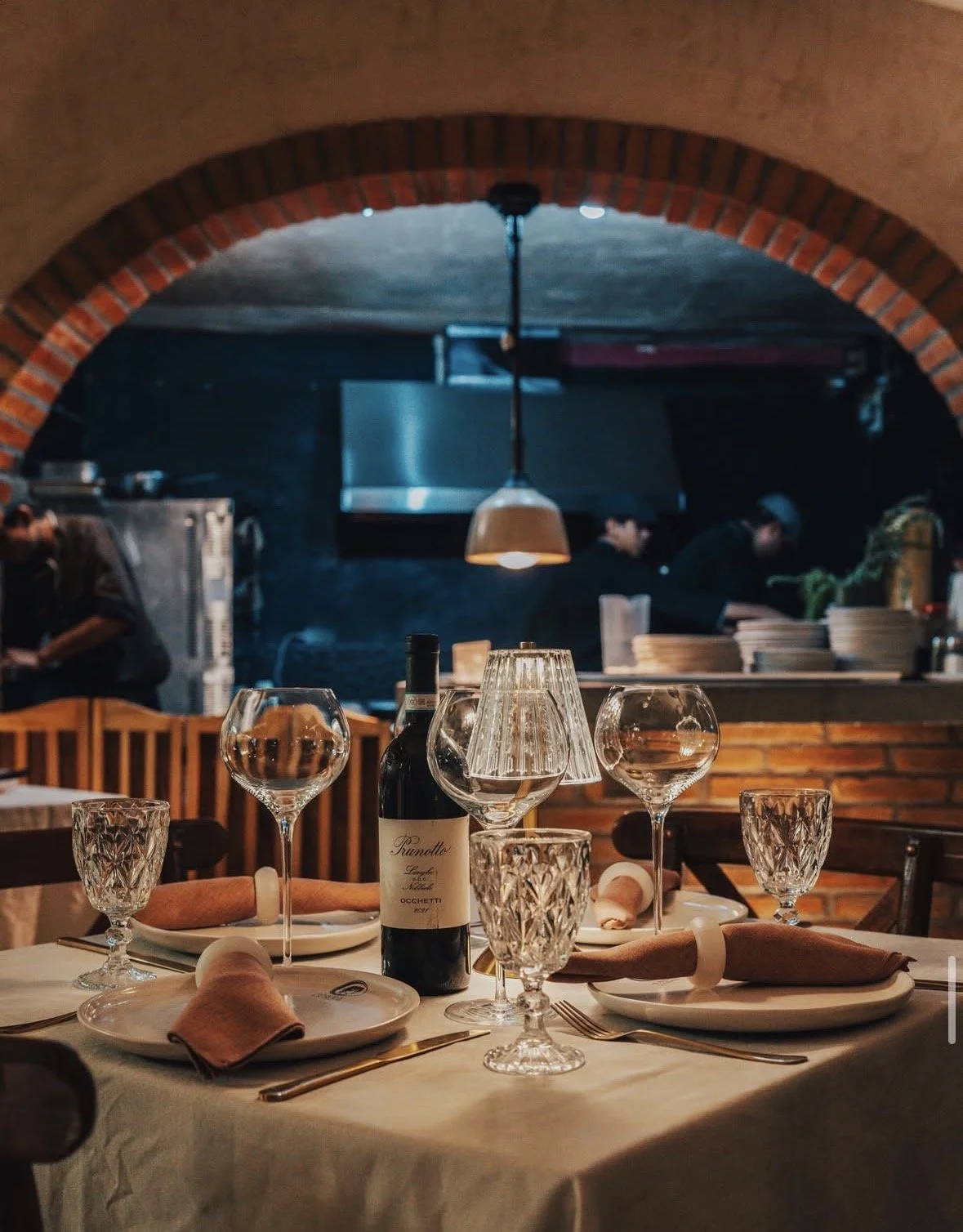
When the search is for an imported wine restaurant Sayulita, the standard should be higher than finding a familiar label on a menu. A memorable bottle belongs in a complete evening: handmade pasta arriving at the table, a pizza with a crisp, blistered crust, live-fire steak prepared with precision, and enough time to enjoy every course. This is the kind of dinner that turns a night in Sayulita into an occasion.
Wine has a particular role in Italian dining. It does not sit apart from the food as an afterthought. It brings texture, contrast, and rhythm to the table, whether the plan is an intimate dinner for two or a long, celebratory meal with friends. In a destination known for relaxed beach-town energy, a thoughtful wine program offers something different: a reason to dress for dinner, linger over a second glass, and let the evening unfold.
What an Imported Wine Restaurant in Sayulita Should Offer
An imported wine list signals intention, but the labels alone are not the point. The best lists have a point of view. They include wines selected for how they perform with food, from bright whites that sharpen the flavors of seafood and fresh herbs to structured reds that meet the richness of steak, ragù, and aged cheese.
For Italian cuisine, regionality matters. A mineral-driven Pinot Grigio can bring clarity to a delicate starter or a simply dressed pasta. Verdicchio offers more depth and texture, especially beside dishes with shellfish, lemon, or richer sauces. On the red side, Sangiovese brings acidity and savory character that work beautifully with tomato, roasted vegetables, and cured meats. Nebbiolo asks for a more serious moment, with its perfume, tannin, and length making it a natural companion for a well-prepared steak.
The exact bottle depends on the table. A couple sharing a few courses may prefer a versatile white followed by a glass of red. A group with pizza, pasta, and steak benefits from a list with enough range to accommodate different plates without turning the choice into a negotiation. The right restaurant makes this easy through a concise, well-considered selection and service that reads the mood of the meal.
A Good Pairing Is About Balance, Not Rules
Classic wine rules are useful, but they should never flatten a dinner into a formula. Red wine with steak makes sense, yet preparation matters. A leaner cut with herbs, char, and a bright salsa may be more compelling with a savory Sangiovese than a heavy, high-oak red. A creamy pasta can welcome a white with body and fresh acidity, while a spicy pizza may call for a juicy, lower-tannin red served slightly cool.
The goal is balance. Acidity refreshes the palate after a rich bite. Tannin finds its place beside protein and fire-grilled flavor. Aromatic wines can echo herbs, citrus, and pepper. A little sweetness, when handled carefully, can soften heat. The best pairingfeels intuitive once it reaches the table, as if the dish and glass were always meant to meet.
Why Imported Wines Change the Dinner Experience
There is a difference between drinking wine and building a meal around it. Imported wines bring their own sense of place: volcanic soils, coastal vineyards, mountain air, native grape varieties, and family traditions expressed through a bottle. Those details are not there to impress for their own sake. They give the wine character, and character is what makes a pairing memorable.
At an Italian table, that character can create a conversation. A guest may recognize Barbera as an easy, food-friendly red, then notice how its acidity lifts a slow-cooked sauce. Someone accustomed to broad California Chardonnay may find pleasure in the restraint of an Italian white, where freshness and salinity take the lead. These are small discoveries, but they make a dinner feel personal rather than routine.
Imported wine also offers a welcome contrast to vacation dining that is designed for speed. There is nothing wrong with a casual beer at sunset or a quick meal between plans. But some nights deserve more attention. A serious bottle encourages a different pace. It asks the table to stay present through the first pour, the main course, and the final conversation after plates have been cleared.
Pairing Wine With the Italian Table
Handmade pasta deserves more than a default pour. Its texture, sauce, and filling should lead the decision. A simple pasta with olive oil, garlic, herbs, or seafood benefits from a white with energy and saline lift. A tomato-based dish is often happiest with Sangiovese, Barbera, or another red with lively acidity. For richer preparations involving mushrooms, truffle, cream, or braised meat, a medium-bodied red with earth and structure can bring depth without overwhelming the plate.
Pizza is equally flexible. A classic tomato and mozzarella pie welcomes a bright Italian red, while pizzas built around vegetables, white sauces, or delicate cheeses can shine with a textured white. For dishes with spice, avoid reaching automatically for the boldest red. High alcohol and aggressive tannin can make heat feel louder. A fresh, fruit-driven wine is often the more elegant choice.
Live-fire steaks invite a wine with presence, though presence does not always mean weight. A grilled steak carries smoke, salt, caramelization, and richness. A structured red can stand alongside those flavors, while enough acidity keeps each bite vivid. If the table is sharing a steak after pasta or pizza, ask for a bottle that can move across the menu rather than dominate one course.
Artisanal beer has its place as well. A crisp pilsner can refresh between bites of pizza, while a more malt-driven style may complement roasted flavors. The best dinner tables allow different preferences without sacrificing the sense that every drink was selected with care.
The Setting Matters as Much as the Bottle
Wine tastes different when the room supports the experience. A polished dining room, attentive pacing, and food prepared from premium ingredients create the conditions for a bottle to show its best side. Service should be knowledgeable without becoming performative. A thoughtful recommendation, the right temperature, proper glassware, and a measured pour go a long way.
This is why reservations matter for a special night in Sayulita. The point is not exclusivity for its own sake. It is the ability to arrive knowing the table is ready, the kitchen has the space to execute with care, and the evening can unfold without hurry. At Casa Lvnae & Lo Zingaro, imported wines and artisanal beers sit naturally beside handmade pastas, pizza, and live-fire steaks because the meal is designed as a whole.
For destination wedding guests, couples marking an anniversary, or friends gathering before a night out, the right restaurant offers more than dinner. It creates a setting where celebration feels effortless. The details are quiet but unmistakable: a bottle chosen for the menu, dishes meant to be shared, and a room that encourages guests to stay a little longer.
Choose the Bottle for the Moment
There is no need to order the rarest or most expensive wine to make an evening feel special. Choose according to the table, the food, and the mood. A chilled white can be exactly right after a warm Sayulita afternoon. A bottle of expressive red may suit a candlelit dinner when steak and pasta are arriving in courses. If the menu is varied, ask for a versatile wine and trust a thoughtful recommendation.
Carpe Diem - seize the moment. Reserve the evening for food made with care, a wine worth sharing, and the kind of conversation that should not be rushed.