

What Belongs on an Italian casual Fine Dining Menu?
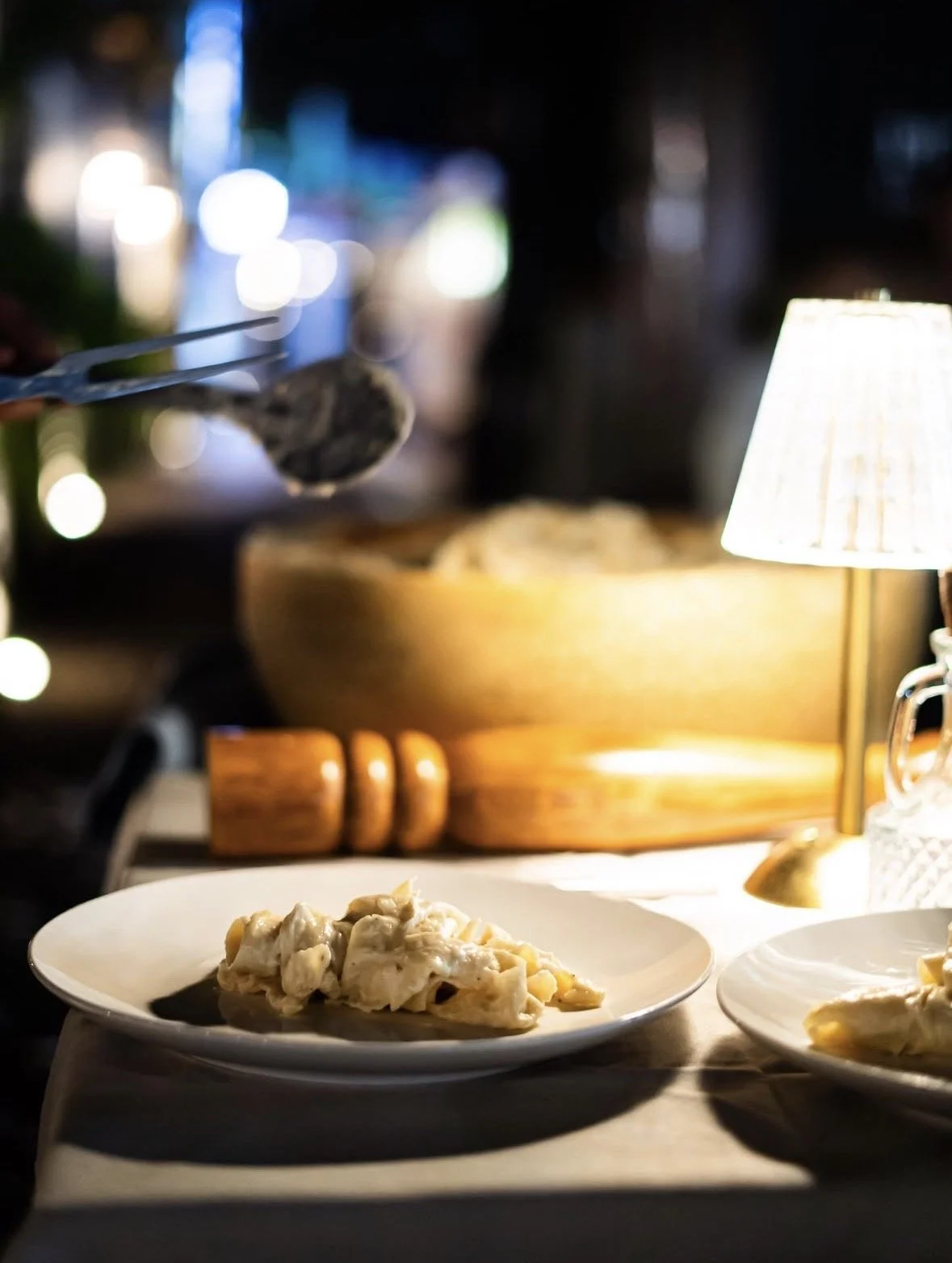
A true Italian casual fine dining menu does more than offer pasta, pizza, and wine. It gives the evening a point of view. Each course has a reason to arrive when it does, each ingredient is selected for clarity of flavor, and the table becomes a place to linger rather than simply refuel between beach plans.
For a special dinner in Sayulita, that distinction matters. The best Italian meals feel generous but never crowded, polished without becoming stiff, and grounded in the pleasure of sharing something made with care. Carpe Diem - seize the moment, one course at a time.
## What Defines an Italian Fine Dining Menu
Italian cooking is often mistaken for simplicity in the sense of ease. In reality, it asks for discipline. When a dish has few components, there is nowhere for an ordinary tomato, overcooked pasta, or dull olive oil to hide. A fine dining menu honors this restraint while adding precision in technique, service, and presentation.
The foundation begins with premium ingredients. A ripe tomato needs little more than salt and olive oil, but it needs to be ripe. A steak needs live fire, correct seasoning, and enough resting time to remain tender. Pasta must have texture that holds its sauce, not a soft, uniform bite. These details are not decorative. They are the meal.
The menu should also feel edited. Italian dining is built around appetite and progression, not a collection of unrelated dishes competing for attention. A guest may begin with something bright and saline, move into handmade pasta, then share a live-fire steak or pizza at the center of the table. Dessert closes the experience with a note of sweetness rather than excess.
## The Essential Courses, Chosen With Intention
### Antipasti set the table's pace
The opening course should awaken the appetite without settling it. Think of a carefully composed plate of cured meat, fresh cheese, grilled vegetables, or seafood dressed with citrus and herbs. These are familiar Italian gestures, but their quality depends on freshness, balance, and temperature.
Antipasti also give a table time to arrive. Cocktails are poured, a bottle is chosen, conversation finds its rhythm. For couples, it creates an elegant beginning. For groups, it gives everyone something to share before individual preferences enter the conversation.
### Handmade pasta carries the heart of the menu
Pasta is often the measure of an Italian kitchen because it reveals both craft and judgment. The dough must be properly worked and rolled. The shape must suit the sauce. A delicate filled pasta calls for a lighter dressing than a broad ribbon designed to hold a richer ragù.
On an Italian fine dining menu, handmade pasta should feel distinct from a familiar weeknight bowl. That does not require unnecessary complication. It may mean a silkier egg dough, a sauce reduced with patience, a seasonal vegetable used at its peak, or a finishing touch of aged cheese that brings depth without heaviness.
Portioning matters here. Fine dining is not about leaving hungry, but it understands that pasta is part of a longer meal. A well-judged course leaves room for the next pleasure on the table.
### Pizza belongs when it respects the craft
Pizza can be casual, but it is never careless. A refined Italian menu can include it beautifully when the dough has proper fermentation, the oven provides the right char, and the toppings are restrained enough to let the crust speak.
This is particularly appealing in Sayulita, where an evening may begin with the ease of vacation but call for something more considered than an ordinary dinner. Pizza brings a relaxed, shareable energy to the table. Pair it with an imported Italian wine or a crisp artisanal beer, and it can sit naturally alongside more formal dishes.
The trade-off is focus. A menu does not need a long list of pizzas to make its point. A concise selection, made with exceptional dough and ingredients, carries more confidence than endless customization.
### Live-fire steaks offer depth and occasion
A steak course changes the tone of the dinner. The scent of live fire, the char at the edges, and the richness of a well-rested cut bring a sense of occasion that suits celebrations, [wedding weekends](https://www.casalvnae.com/blog/for-a-special-occasion), and long-awaited [date nights](https://www.casalvnae.com/blog/-romantic-dinner-in-sayulita-made-memorable).
Italian cooking approaches steak with a welcome lack of fuss. The goal is to honor the quality of the meat, not cover it. Salt, fire, good olive oil, herbs, and perhaps a seasonal accompaniment can be enough. The right wine should have structure and freshness, able to meet the steak without flattening the flavors around it.
Not every table needs a steak, of course. A pasta-forward dinner can be complete on its own, especially in warmer weather. But for guests looking to make the evening feel expansive, a live-fire course creates a memorable centerpiece.
## The Rhythm of an Italian Fine Dining Menu
The difference between a very good dish and a memorable dinner is often rhythm. Service should be attentive without interrupting the table. Courses should move forward, but never feel rushed. A server who understands the menu can guide guests toward balance: something crisp before something rich, a wine with enough acidity for tomato and enough body for steak, a dessert shared after a satisfying final course.
This matters especially in an [intimate dining room](https://www.casalvnae.com/gallery). The atmosphere should invite guests to look up from their phones, finish the last sip in the glass, and give the evening the time it deserves. Fine dining is not defined by formality for its own sake. It is defined by the sense that every detail has been considered on your behalf.
At Casa Lvnae & Lo Zingaro, the menu is designed for this kind of occasion: handmade pastas, carefully made pizza, live-fire steaks, imported wines, and artisanal beers served in a setting that feels apart from the ordinary pace of town.
## Wine and Beer Are Part of the Menu, Not an Afterthought
Italian wine is remarkably adaptable at the table. A mineral-driven white can sharpen the flavors of seafood, cheese, and lighter antipasti. A bright red with lively acidity can move gracefully from pizza to pasta with tomato. For steak, a more structured bottle brings depth, though it should still retain enough freshness to keep the meal alive.
The best pairing is not always the most expensive bottle. It depends on the dishes, the season, and the mood of the table. A group sharing several courses may want a versatile red and a chilled white. Two guests celebrating an anniversary may choose one bottle that has personal meaning. The point is to choose with pleasure, not pressure.
Artisanal beer deserves the same attention. A clean lager can be excellent with pizza, while a more aromatic style may work with grilled flavors. Beer can offer a relaxed alternative for guests who want complexity without committing to a full bottle of wine.
## What Guests Should Look For
A menu earns its fine dining character through signals that are easy to recognize once you know where to look: handmade pasta rather than generic pasta, a concise selection rather than an unfocused catalog, thoughtful wine choices, premium ingredients, and dishes that sound clear rather than overexplained.
Look for a kitchen that has something to say. The menu may change with availability, particularly when produce and seafood are at their best. That is usually a strength, not an inconvenience. It suggests the restaurant is cooking according to the market and the season instead of forcing the same idea onto every plate.
Most of all, choose the meal that suits the moment. Order a few plates to share when the table wants conversation and spontaneity. Choose a paced, multi-course dinner when the night calls for ceremony. A great Italian meal has room for both.
Save the evening for a table where the pasta is made by hand, the steak meets live fire, and the wine is chosen with care. Some nights in Sayulita deserve more than dinner. They deserve to be remembered.