
Italian Wine Tasting for a Memorable Dinner
The first sip should not feel like a test. Italian wine tasting is more rewarding when it begins with the occasion: a long table of friends, handmade pasta arriving hot, a pizza with a blistered crust, or a live fire steak worth lingering over. Italy offers more native grape varieties than most diners will ever need to memorize. The pleasure is not in proving what you know. It is in noticing what makes a wine feel right with the meal, the place, and the people across the table.
At Casa Lvnae & Lo Zingaro, imported Italian wines are chosen for exactly that reason. They bring clarity, character, and a sense of occasion to dinner in Sayulita. A thoughtful bottle can sharpen the flavors of a dish, slow the pace of the evening, and make a reservation feel like something more than a meal. Carpe Diem - seize the moment, preferably before the bottle is empty.
Italian Wine Tasting Starts With Context
A wine list can look intimidating when it leads with regions and grape names rather than familiar labels. But Italian wine follows a useful logic. Start by considering where the wine comes from, then what is on the table.
Northern regions often produce wines with freshness, tension, and lift. Think Alpine air, stony soils, and elegant acidity. Central Italy tends to bring savory reds with bright cherry fruit, earth, herbs, and structure. Further south, warmer conditions can yield fuller wines, darker fruit, and generous texture, though the best examples still keep their balance.
These are not rules, and they should not become them. A delicate Nebbiolo can surprise you beside a rich dish, while a vibrant Sicilian red may be exactly what a warm coastal evening calls for. The point is to have a starting place. Let the food and your own preferences take it from there.
Read the Label Without Overthinking It
Italian labels usually give you three helpful signals: the region, the grape or place name, and the classification. DOC and DOCG indicate wines made under defined regional standards. They can be useful markers, but they are not automatic guarantees of personal pleasure. A beautifully made IGT wine can be every bit as compelling, particularly from a producer willing to work beyond a traditional rulebook.
Place names matter because they often tell you about style. Barolo and Barbaresco point toward Nebbiolo: perfume, roses, dried cherry, tannin, and length. Chianti Classico suggests Sangiovese with lively acidity and savory structure. Etna Rosso often means Nerello Mascalese, a graceful red with mineral energy. Yet each producer makes choices that shape the final glass. Vintage, altitude, oak, and time in bottle all leave their mark.
If you are deciding between two bottles, ask a simple question: do you want freshness and lift, or depth and richness? That answer gives a skilled server far more to work with than asking for “a good red.”
How to Taste Italian Wine at the Table
The best tasting ritual is relaxed and brief. Look at the wine, smell it, taste it, then take another sip with food. There is no need to perform for the table.
First, notice the color. A pale red may point toward delicacy, while a deeper hue can suggest a fuller style, though color alone never tells the whole story. Then give the glass a gentle swirl and smell again. You may find fruit, flowers, citrus peel, dried herbs, leather, spice, smoke, or sea-spray-like minerality. These are not answers on an exam. They are invitations to pay attention.
On the palate, focus on four elements: acidity, tannin, body, and finish. Acidity makes your mouth water and keeps a wine lively. Tannin is the gentle drying sensation common in red wines, especially Nebbiolo, Sangiovese, and Aglianico. Body describes weight, from light and nimble to broad and generous. The finish is what remains after you swallow.
Italian wines are often valued for acidity and savory detail rather than obvious sweetness or sheer power. This is why they tend to shine at dinner. A wine that feels almost strict on its own can become beautifully complete beside olive oil, tomato, aged cheese, or a rich sauce.
Temperature Changes Everything
Serving temperature can make a fine bottle feel flat, hot, or muted. Sparkling wines should be properly chilled. Crisp whites are best cool rather than ice-cold, so their aroma has room to open. Fuller whites can be served a little warmer.
Most reds benefit from a light chill, especially in Sayulita’s warmth. “Room temperature” was never meant to describe a tropical dining room. A red served slightly cool will show cleaner fruit, more balance, and less alcohol. If a bottle feels too warm, ask for an ice bucket for a few minutes. It is a practical move, not a breach of etiquette.
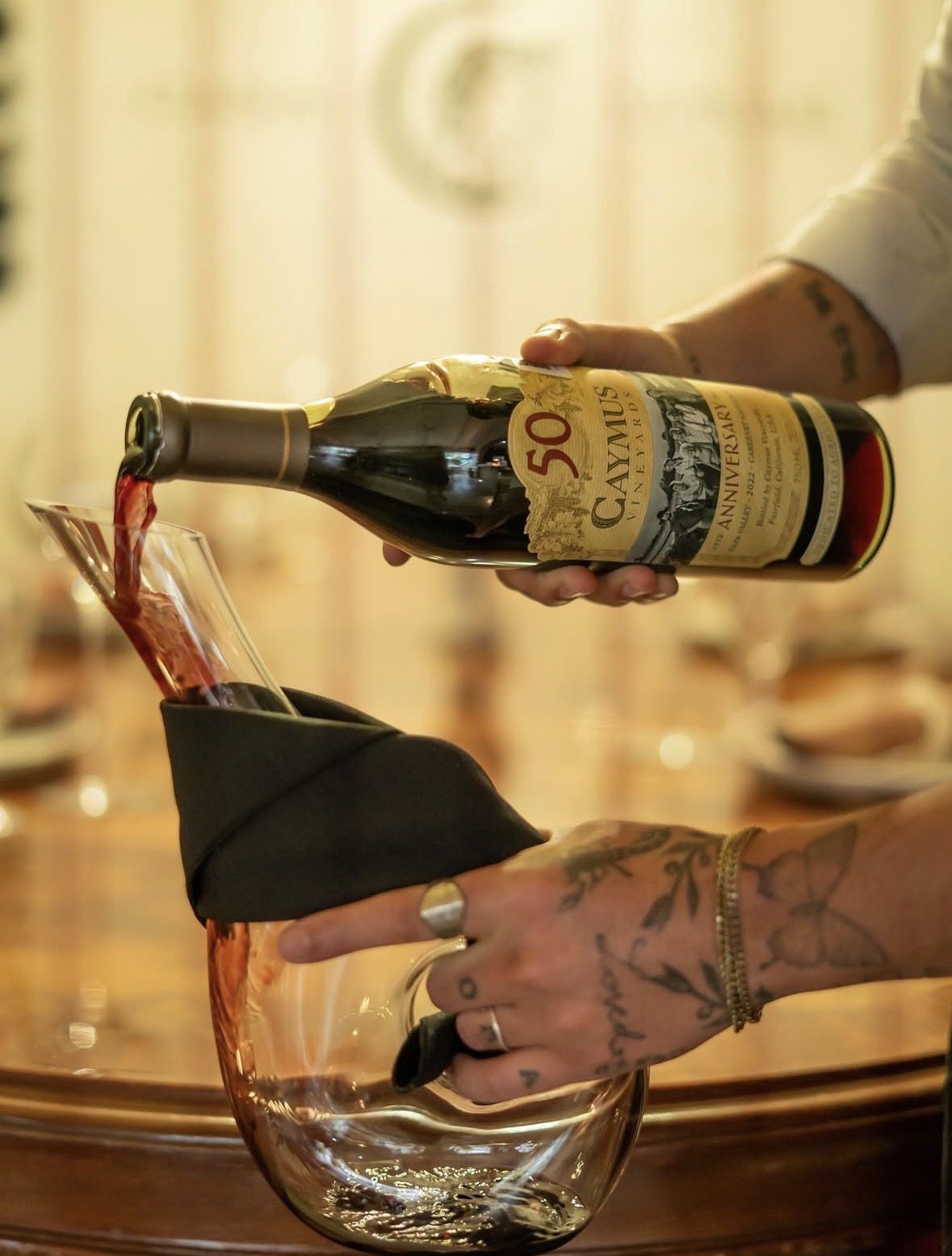
Decanting can also help, particularly with young, structured reds. Air softens the first edges of tannin and lets layered aromas emerge. Older bottles are different: they may need gentle handling and less time exposed to air. This is one reason a conversation with your server is worthwhile.
Pairing Italian Wines With Dinner
Classic pairings endure because they work. They also leave room for instinct. Match intensity before matching flavors: lighter wines suit lighter dishes, while more structured wines can meet richer preparations. Then look for contrast or echo.
A bright white such as Vermentino is excellent with seafood, citrus, herbs, and clean preparations. Its saline character feels especially at home near the Pacific. Pinot Grigio can be a refreshing choice, but it varies widely in quality and style. Ask whether the bottle is light and crisp or has more texture and weight.
For handmade pasta, sauce matters as much as the pasta itself. A tomato-based dish often welcomes Sangiovese, whose acidity mirrors the brightness of tomato while its savory edge meets herbs and cheese. Creamy sauces can be beautiful with a fuller white, perhaps one with subtle texture and restrained oak. Pasta with mushrooms, truffle, or ragù may call for a red with earthiness rather than brute force, such as Nebbiolo or a refined Tuscan blend.
Pizza deserves serious wine. The combination of char, tomato, mozzarella, and olive oil asks for freshness. Chianti, Barbera, and youthful Etna Rosso all have the acidity to keep each bite alive. A sparkling Franciacorta can also be unexpectedly perfect, cutting through richness while keeping the mood celebratory.
With live fire steaks, structure becomes more welcome. Aged beef, caramelized edges, and smoke can hold their own against Barolo, Brunello di Montalcino, or an expressive Aglianico. Still, bigger is not always better. If the steak is simply seasoned and served with bright sides, a poised Sangiovese may offer more pleasure than the most powerful bottle on the list.
Let the Bottle Evolve With the Evening
One of the quiet joys of Italian wine tasting is that the wine changes as dinner moves forward. The first pour may feel reserved. Fifteen minutes later, the aromatics are wider, the texture softer, and the relationship with the food clearer. This is why rushing through a bottle misses part of the experience.
Taste before the first course, then return to it after a few bites. Notice whether the fruit becomes more vivid, whether the tannins settle, or whether a sauce brings out a savory note you did not catch at first. Share those observations if you like, but do not feel obliged to name every flavor. “That tastes better with the mushroom pasta” is a complete and valuable tasting note.
For celebrations, begin with bubbles or a vivid white, then move into a red with the main course. For a date night, one versatile bottle can be more intimate and less complicated. If the table is ordering across pasta, pizza, and steak, choose a red with freshness and moderate tannin, or ask for two complementary glasses rather than forcing one bottle to do every job.
The most memorable wine is rarely the one with the longest description. It is the bottle that gives the table a reason to pause, take another bite, and stay a little longer. Choose with curiosity, serve it at the right temperature, and let dinner set the pace.