

Artisanal Beer With Italian Food, Perfectly Paired
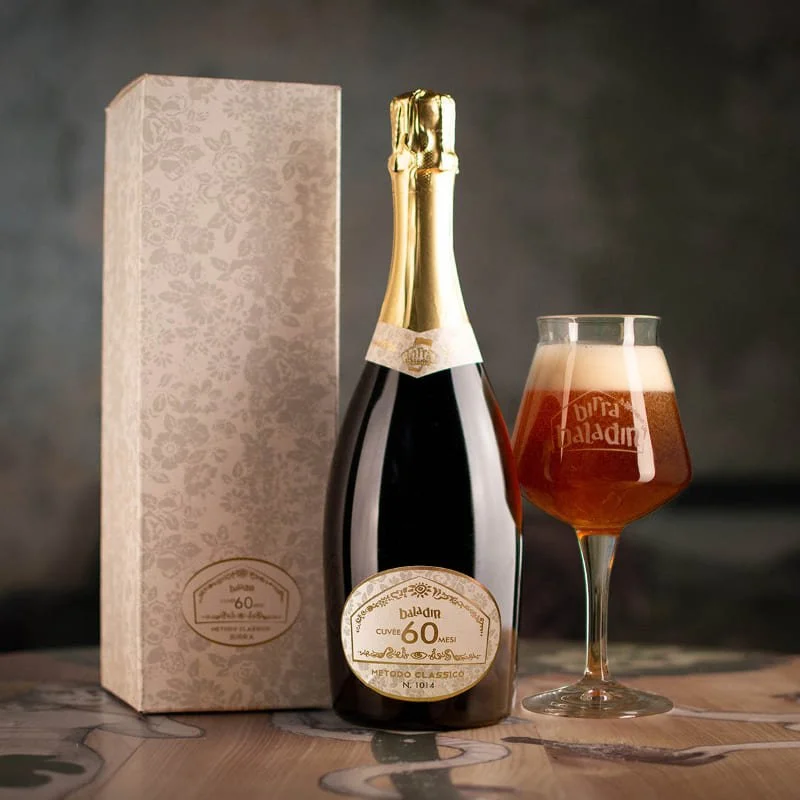
A well-chosen beer can do more than refresh the palate between bites. Artisanal beer with Italian food brings a different kind of pleasure to the table: crisp contrast against rich handmade pasta, bright lift beside a wood-fired pizza, and deep malt notes that meet the char of a live fire steak. It is a pairing for diners who want flavor, texture, and conversation to carry through the entire evening.
Wine will always hold a cherished place in Italian dining. But beer deserves its own seat at the table, particularly when it is made with character and selected with intention. The right pour can sharpen a tomato sauce, soften spice, echo roasted flavors, or provide a clean reset after a generous forkful of cheese and pasta.
Why Artisanal Beer Works With Italian Food
Italian cuisine is often described as simple, but its best versions are built on balance. Acidity from tomato, richness from olive oil and cheese, salinity from cured ingredients, and the savory depth of slow-cooked sauces all ask something specific from a drink. Artisanal beer answers with carbonation, bitterness, malt, fruit, spice, and a wide range of textures.
Carbonation is especially useful at the table. It lifts fat from the palate after creamy sauces, melted cheese, or a steak with a beautifully rendered crust. A beer with a dry finish can make a rich dish feel lighter without diminishing its pleasure. That is why a restrained pilsner or a Belgian-style ale may feel unexpectedly natural with Italian food.
There is also the matter of mood. Beer is relaxed without being casual when it is served thoughtfully. A distinctive bottle or a perfectly poured draft invites curiosity, yet it leaves room for the food to lead. For a dinner in Sayulita, where the evening is meant to linger rather than rush, that balance has its own appeal.
Start With the Dish, Not the Beer Style
The most satisfying pairings begin with the dominant element on the plate. Is the dish driven by tomato and herbs, butter and cheese, smoke and char, or peppery cured meat? From there, consider weight. Delicate pasta needs a beer that will not flatten its details, while a steak or deeply browned pizza can welcome more malt, bitterness, or alcohol.
A useful rule is to match intensity, then create contrast. A light beer beside a light dish preserves delicacy. A bright, bitter beer against rich cheese creates relief. A malty beer with roasted meat creates harmony. None of these rules are absolute, and personal preference matters. A diner who loves a bitter finish may enjoy an IPA with pizza; another may find that same pairing too forceful and prefer a clean lager.
Fresh pasta and crisp, elegant lagers
Handmade pasta has a tenderness that calls for restraint. With a dish dressed in olive oil, fresh herbs, seafood, or a light lemon sauce, a pilsner or Italian-style lager is a graceful choice. Its fine bubbles and gentle bitterness refresh without obscuring the pasta itself.
For pasta with a creamy sauce, consider a saison or a dry Belgian-style ale. The beer's lively carbonation helps cut through butter, cream, and cheese, while its subtle pepper or citrus character can add dimension. The goal is not to make the dish taste lighter than it is. It is to make every next bite feel as inviting as the first.
Tomato-based pasta sauces offer more latitude. A crisp amber lager can complement their sweetness and savor, while a pale ale with moderate bitterness stands up to garlic, basil, and a touch of heat. Very aggressively hopped beers can clash with tomato acidity, so balance matters more than intensity.
Pizza welcomes contrast and character
Pizza is one of beer's most generous partners. The crust brings toast and char, the cheese brings fat and salt, and the toppings can move from delicate to boldly savory. A dry lager is nearly universal here, especially with a classic pizza where tomato, mozzarella, and basil need clarity rather than competition.
For pizzas with spicy salami, sausage, or chile, reach for a pale ale or a citrus-forward wheat beer. A touch of fruit and a soft body can calm heat while keeping the palate alert. If the pizza leans toward mushrooms, truffle, roasted vegetables, or smoky cheeses, an amber ale offers a warmer, malt-led bridge to those earthy flavors.
The trade-off with heavily hopped IPAs is worth considering. Their pine, grapefruit, and resin notes can be thrilling with spicy, salty toppings, but they can make a delicate white pizza or a subtle margherita taste quieter than it should. Choose them when the pizza has enough boldness to answer back.
Steak and dark, malt-driven beers
A live fire steak invites a beer with structure. Browning, smoke, mineral richness, and the savory character of beef find an easy companion in a porter, a stout, or a well-balanced dark lager. These beers mirror the roasted notes created by the fire without needing to overpower the meat.
A porter is often the most flexible choice. Its cocoa, toast, and coffee-like notes can flatter a charred crust, while its body remains more measured than an imperial stout. With a steak served alongside herb butter, mushrooms, or a deeply reduced sauce, those darker malt notes become especially compelling.
For diners who prefer something lighter in body, a Vienna lager or amber lager offers a refined alternative. It has enough toasted malt to meet the steak, yet finishes cleanly enough to preserve the appetite for another course. This is a useful reminder that darker color does not always mean heavier drinking.
Pairing Beer With the Details on the Plate
The sauce, garnish, and side dishes can change a pairing completely. A pale ale that works beautifully with a pizza topped with spicy sausage may become too bitter beside a sweet balsamic glaze. A stout with steak may be excellent until a bright salsa verde shifts the dish toward an herbaceous, high-acid profile better suited to a lager or saison.
Cheese deserves attention as well. Fresh mozzarella and burrata tend to favor bright, clean beers. Aged Parmesan, pecorino, and sharper blue cheeses can handle more bitterness and malt. With a cheese-forward dish, carbonation is often the deciding factor. It keeps the palate from becoming saturated and lets the savory details remain clear.
Temperature matters more than many diners realize. A beer served too cold loses its aroma and can seem thin. One served too warm may feel heavy beside food. Crisp lagers should arrive cool and refreshing; malt-forward styles can be allowed a little more warmth to show their complexity. Glassware, pour, and timing are small details, but they signal the same care found in a properly finished plate.
Make the Evening Feel Like an Occasion
Pairing artisanal beer with Italian food is not about replacing wine or following rigid rules. It is about choosing a drink that makes the meal more vivid. Begin with a refreshing beer alongside antipasti or pizza, then move toward deeper malt and richer dishes as the table settles into dinner.
At Casa Lvnae & Lo Zingaro, the pleasure lies in allowing handmade pastas, pizza, live fire steaks, imported wines, and artisanal beers to shape a complete evening rather than a quick meal. Carpe Diem - order the beer that interests you, taste it with the dish in front of you, and let the pairing become part of the memory.